In the healthcare sector, the choice of materials can significantly impact patient safety and care quality. Among various options, PVC film for hospital use stands out due to its versatility and effectiveness. According to a recent report by MarketsandMarkets, the global PVC film market is projected to reach $10 billion by 2025, driven by its demand in medical applications.
David Thompson, a leading expert in hospital supply chain management, once stated, “The right materials can transform patient care and operational efficiency.” This highlights the importance of selecting suitable PVC films, which are not only durable but also easy to sterilize. These films are widely used for applications like sterile packaging and protective barriers, ensuring safety during medical procedures.
However, not all PVC films are created equal. Some may lack the necessary certifications or have subpar performance under certain conditions. It is crucial for hospitals to evaluate their choices critically. Using substandard materials can lead to complications, impacting both healthcare providers and patients. In the evolving landscape of medical supplies, being informed is essential for optimal patient outcomes.
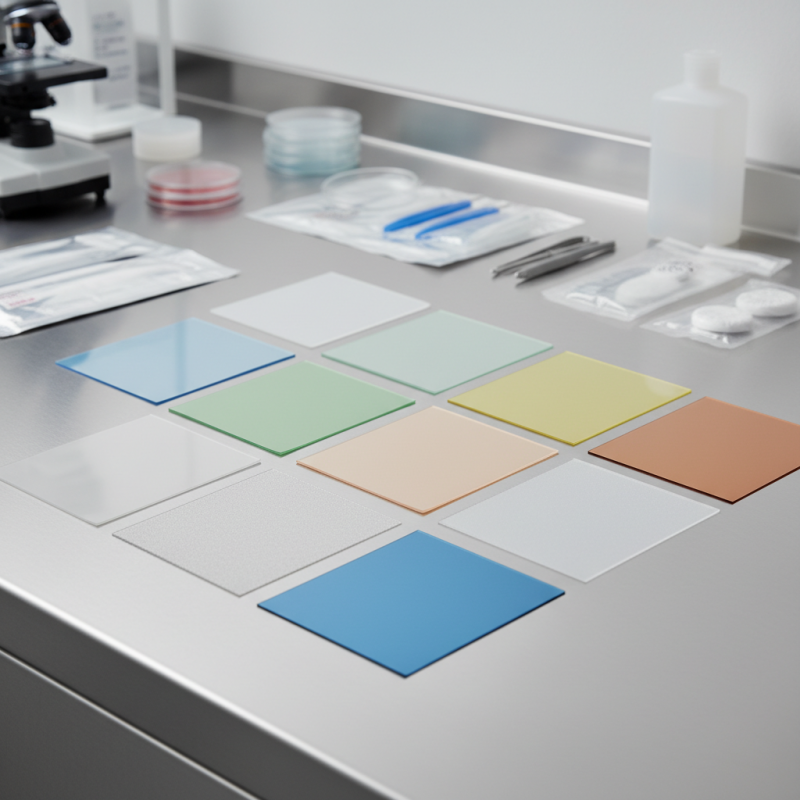
PVC films play a crucial role in hospital environments. They offer versatile solutions for various applications. These films are essential for packaging medical devices and supplies. Their durability ensures protection against contamination. Additionally, PVC films are lightweight, making them easy to handle.
When selecting PVC films, consider their thickness and transparency. Thicker films provide better barrier properties. Transparency is vital for visibility and identification of contents. Hospitals often face challenges, such as ensuring sterility. Films that meet stringent regulatory standards are necessary. They help build trust in the packaging process.
It's also important to evaluate the environmental impact of PVC films. While they are practical, some may not be recyclable. This poses a dilemma for hospitals aiming for sustainability. Finding a balance between functionality and eco-friendliness can be complex. Consideration of local disposal regulations can guide better choices. The right PVC film can enhance safety and efficiency in healthcare settings.
PVC films are vital in the medical field due to their unique properties. These films are lightweight, flexible, and strong. They often resist chemicals and moisture, making them suitable for various medical applications. A recent industry report indicates that the global demand for medical-grade PVC films will reach $2.5 billion by 2027, highlighting their importance in healthcare.
The biocompatibility of PVC films is essential. According to various studies, over 80% of medical practitioners prefer PVC for packaging and medical devices. Their ability to maintain sterility is a key benefit. However, challenges exist. Some films can be sensitive to temperature changes, potentially impacting their integrity. Moreover, the long-term environmental effects of PVC use remain a concern.
Innovation in PVC film formulations continues. Enhancements aim to improve elasticity and reduce the environmental footprint. Research indicates new additives may further enhance the films' properties. Yet, the trade-off between performance and sustainability requires careful consideration. While PVC is effective, ongoing evaluation of its long-term impacts is necessary.
In the healthcare sector, the choice of PVC films for sterilization processes is pivotal. Recent studies highlight that films with superior integrity significantly reduce contamination risks. A key report indicates that PVC films must withstand various sterilization methods, such as ethylene oxide and gamma radiation, without compromising their physical properties. It's noted that some films only retain 70% of their original strength post-sterilization, raising concerns about their effectiveness.
The compatibility of PVC films with sterilization methods is essential. Variations in performance can be observed across different formulations and thicknesses. A comparative analysis found that some films performed adequately under specific conditions, while others did not meet the necessary standards, failing in pressure and moisture resistance. These discrepancies can lead to potential delays in surgical procedures and increased operational costs.
Further investigation reveals a lack of comprehensive testing protocols for evaluating these films. Many hospitals rely on manufacturers' claims without rigorous third-party testing. This reliance can result in unintended consequences, as not all products fulfill their intended functions. Addressing these issues requires a shift toward standardized testing to ensure reliability and safety in hospital environments.
In healthcare settings, the use of PVC films is subject to stringent industry regulations. These guidelines are designed to ensure patient safety and protect against contamination. Compliance with standards is not just a legal requirement; it demonstrates a commitment to quality care. Many facilities struggle to navigate these complex regulations, often leading to confusion among staff about what materials are acceptable.
Healthcare providers must consider the biocompatibility of PVC films. Testing protocols can be extensive and costly, yet essential. Regulatory bodies often recommend specific tests to evaluate the longevity and safety of PVC in clinical environments. However, some providers may overlook these details, unaware of the potential risks. Continuous education on material compliance and safety standards is crucial for staff members involved in purchasing decisions.
Additionally, the environmental impact of PVC usage is gaining attention. Facilities are encouraged to find sustainable alternatives if possible. While PVC films remain popular for their durability, the push for greener healthcare solutions is prompting reflection. Organizations must weigh the benefits of compliance and efficacy against the broader implications of their material choices. This ongoing discussion highlights the need for awareness and diligence within the healthcare supply chain.
Innovations in PVC film technology are transforming hospital environments. The latest PVC films are designed to meet stringent healthcare standards. They provide excellent barriers against contamination. This ensures patient safety and improves overall hygiene. New features like enhanced puncture resistance help in reducing accidental breaches.
Sustainability is another critical trend. Manufacturers are exploring eco-friendly materials that offer similar benefits to traditional PVC. These films are biodegradable and reduce plastic waste. Hospitals are increasingly opting for these options to align with green initiatives. However, the transition is not without challenges. Some eco-friendly options may not meet performance expectations under high-stress conditions.
In addition to these trends, customization is becoming essential. Hospitals need films tailored to specific applications. Films that combine transparency with antimicrobial properties are in demand. However, it's crucial to evaluate the long-term effects of these additives. While innovations are promising, they require rigorous testing to ensure safety. Balancing innovation with reliability remains a significant area for improvement in hospital-grade PVC films.
: PVC films are lightweight, flexible, and strong. They resist chemicals and moisture, making them ideal for medical uses.
Over 80% of practitioners choose PVC films for packaging and devices. Their ability to maintain sterility is crucial.
Some PVC films are sensitive to temperature changes, affecting their integrity and usability over time.
New formulations aim to enhance elasticity and reduce environmental impacts. Additives may improve PVC properties further.
Healthcare regulations ensure patient safety and prevent contamination. Compliance is complex but necessary for quality care.
The long-term environmental effects of PVC are a growing concern. Facilities should consider sustainable alternatives when possible.
Providers must pay attention to biocompatibility and conduct recommended tests, despite the costs and complexity involved.
Ongoing education on material compliance helps staff make informed purchasing decisions, reducing risks associated with PVC use.
Organizations must weigh compliance advantages against the environmental implications of PVC film usage.
Facilities are encouraged to reflect on the balance between efficacy and sustainability in their material choices.
This article provides a comprehensive overview of the top 10 PVC films suitable for hospital use, highlighting their key properties and benefits in medical applications. It delves into the comparative performance of these films in sterilization processes, emphasizing their effectiveness in maintaining hygiene standards essential for healthcare environments.
Additionally, the article examines the industry regulations that impact the use of PVC films in hospitals and explores the latest trends and innovations in PVC film technology. By understanding the characteristics and advancements of PVC film for hospital use, healthcare professionals can make informed decisions that enhance patient safety and operational efficiency.

Dahai Plastic